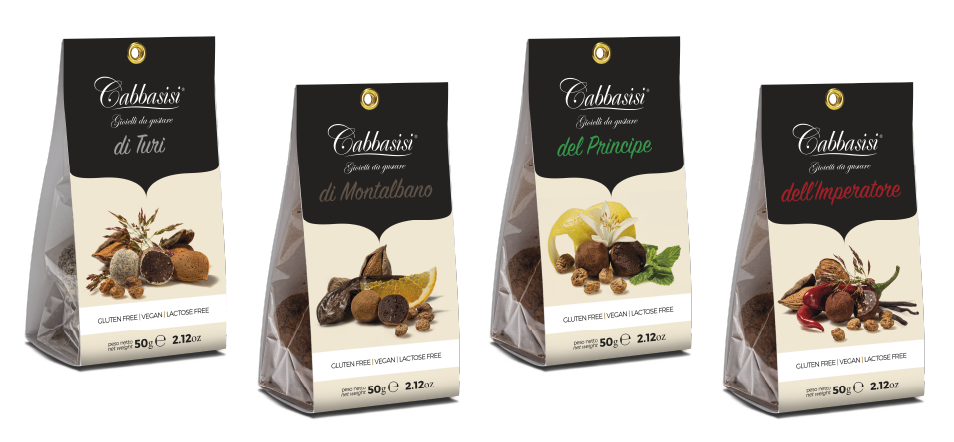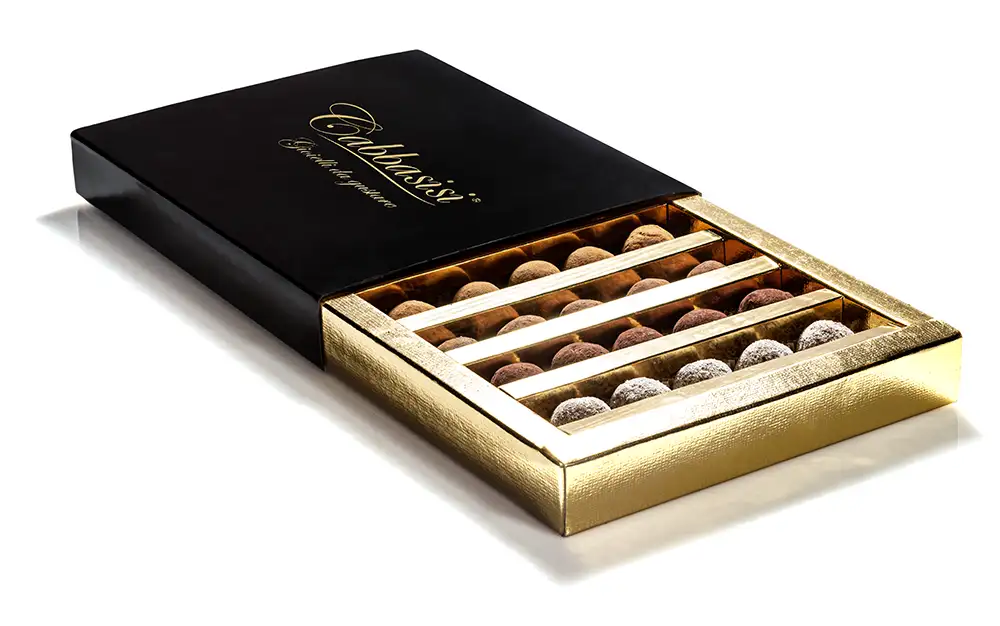


“Nun ci rumpiri i Cabbasisi”, “livarisi dai Cabbasisi,” are expressions which, thanks to the literary genius of Camilleri, are now understandable to all.
But where does the alluring allusion come from? Its origin dates back to the term Cabbasisa, to understand which one must resort to the Arabic vocabulary. The Cabbasisi are none other than “the free adaptation in the Sicilian language” of the Arabic word habb haziz; the word habb means berry and haziz is sweet.
The cabbasisi are small tubers with a sweetish taste with an aftertaste and a smell similar to that of bitter almonds and walnuts.
The discovery of the remains of tubers of Cyperus esculentus (this is the scientific name) in the tombs of Ancient Egypt testifies that this plant has a cultivation history of at least 4000 years. Together with Cyperus papyrus with which papyrus is produced, it was one of the first plants cultivated in the Nile Valley.
It is a millenary story with a sweet taste. A tuber whose name comes to us thanks to its shape and its association with the intimate parts of the man who cultivated it and brought it to Europe and to the present day.
Revealed the mystery, now let’s enjoy the journey.
The Cabbasisi are opulent spheres that bear the name and substance of the ancient plant.
It all originates from an extravagant nobleman and his vices. It seems that the first to ask not to have broken the cabbasisi was a rather eccentric Sicilian nobleman. The aristocrat had planted a couple of specimens of Cyperus esculentus in the garden of his summer residence, in a place very dear to him, near an ancient tree where he loved to read and smoke a cigar. To keep away anyone who might disturb his oasis of peace, he had found a trick: attributing a certain delicacy to the plant. For this reason, the peasant Turi was therefore designated as the proud guardian of the ancient tubers and peremptorily shouted to anyone who approached: “Do not break the Master’s Cabbasisi!”